
Introduction
Laboratory equipment is the term used to describe any tool, instrument or apparatus that is employed in scientific research, testing or analysis. Whether the tool is a simple piece of glassware, or a sophisticated analytical system, the laboratory equipment selected will impact the ability of the investigator to conduct accurate tests and the safety of all personnel in the laboratory.
What Is Laboratory Equipment?
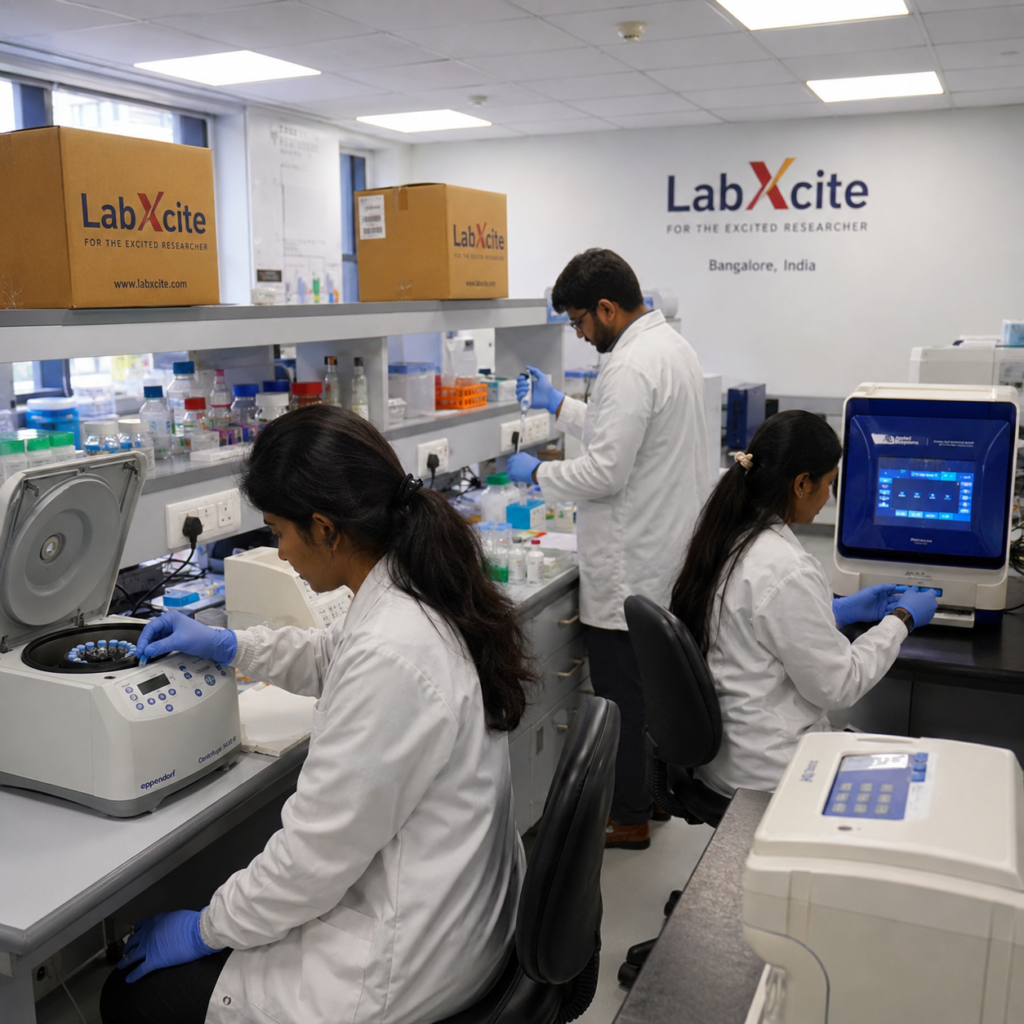
Essentially, laboratory equipment is referred to as any instrument or device that a scientist utilises to perform experiments. The variety of laboratory instruments is vast, but all laboratory equipment have a common goal — to assist researchers in gathering reliable, repeatable data.
LabXcite is a laboratory equipment supplier located in Bangalore, Karnataka, India, serving research laboratories, pharmaceutical companies, diagnostic centres, and universities throughout the country. If you wish to establish a new laboratory or upgrade an existing one, understanding the full spectrum of laboratory equipment available will provide you with a solid foundation.
The laboratory equipment industry in India is growing at a compound annual growth rate (CAGR) of 8 -10%, primarily due to growth in the pharmaceutical industry, increased use of NABL accredited laboratories, and greater government investment in public health infrastructure. (Source: Industry Reports, IBEF)
The 8 Main Categories of Laboratory Equipment
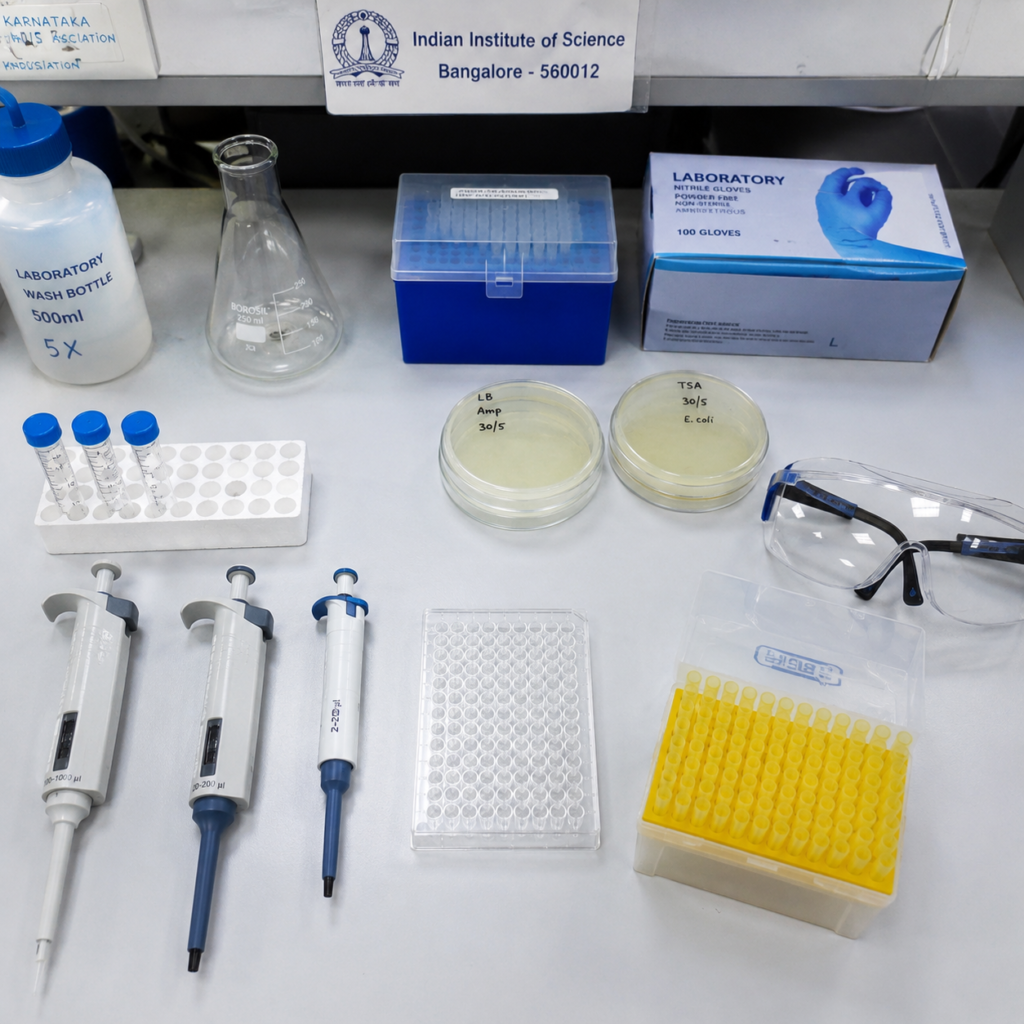
Most laboratory equipment can be classified into one of eight general categories. Each category serves a different purpose; therefore, a complete laboratory has items from many of the general categories.
| Category | Key Instruments | Primary Use | Typical Industry |
| Sample Preparation | Centrifuge, autoclave, microtome, tissue dissociator | Preparing and isolating samples for analysis | All research labs |
| Analytical Instruments | HPLC, spectrophotometer, PCR machine, pH metre | Measuring and analysing properties of samples | Pharma, food, water, R&D |
| Imaging & Microscopy | Light microscope, confocal, SEM, cell counter | Visualizing cells, tissue and other materials | Life sciences, pathology |
| Safety Equipment | Biosafety cabinets, fume hoods, eyewash stations | Protecting users and the environment from hazardous materials | All labs handling hazards |
| Consumables | Pipette tips, tubes, plates, filters, gloves | Single use items for daily experimentation | Universal |
| Glassware | Beakers, flasks, test tubes, cuvettes | Mixing, measuring, heating and storing | Chemistry, biology |
| Refrigeration & Storage | Refrigerators, -80°C freezers, cryogenic tanks | Preserving samples, reagents, cell lines | Biotech, clinical, pharma |
| Data & Documentation | Electronic balances, lab information systems | Recording measurements and experimental data | All quality-managed labs |
Laboratory Equipment by Industry Sector in India
Laboratory equipment needs vary significantly between industry sectors. An HPLC (high performance liquid chromatography) system could be used in a pharmaceutical QC laboratory and a food safety testing laboratory, yet both laboratories will have different requirements with respect to the necessary components of the HPLC system and the regulatory standards for equipment configuration and operation. The following is a brief summary of how laboratory equipment is utilized in the five largest lab-intensive sectors in India.
| Industry Sector | Key Equipment Used | Main Regulatory Standard | India Context |
| Pharmaceutical & Biopharma | HPLC, spectrophotometer, autoclave, stability chamber | Schedule M / WHO GMP / ICH | Bangalore pharma corridor, CDSCO filings |
| Healthcare & Clinical | Haematology analyser, biochemistry autoanalyser, PCR | NABL ISO 15189 | Bangalore hospital chains, diagnostic centres |
| Food & Beverage | HPLC, AAS, incubator, colony counter, PCR | FSSAI Schedule 4 | Karnataka food processing industry |
| Environmental Monitoring | BOD/COD reactor, AAS, GC-MS, turbidimeter | CPCB / KSPCB / NABL ISO 17025 | Bangalore industrial zones, water utilities |
| Research & Development | PCR, microscope, centrifuge, cell culture incubator | NABL / GLP / institutional | NCBS, IISc, IBAB Karnataka, biotech parks |
The Indian market for laboratory equipment was estimated to be approximately USD 1.8 – 2 billion in 2022, with an annual growth rate of between 8-10%. Laboratory equipment spending is mostly concentrated in Karnataka, Maharashtra & Gujarat, with Bangalore serving as both India’s largest procurement location for industrial & research laboratory instruments.
How to Choose the Right Laboratory Equipment
Choosing the wrong equipment can lead to significant costs not only in rupees but also in wasted time and unreliable results; therefore, below are some items every Lab Manager or researcher should consider prior to purchasing any piece of equipment.
- Define your research objective first by creating a list that outlines what tests/measurements you intend to perform prior to determining which instruments will best meet those requirements.
- Think long-term when evaluating lifecycle costs (i.e., total expenses incurred throughout the entire life of an asset). A low purchase price may equate to additional costs (i.e., high consumables cost, short maintenance intervals, poor after-sale service) than investing initially in a well-built alternative over a 3-year period.
- Evaluate available laboratory space and how much utility supply systems are needed for operation. For instance, many large analytical instruments require stable power sources & non-vibrant benchtops, sometimes dependent on external air movement to maintain correct operating temperature. Before purchasing large analytical machine(s), measure the size of area where it will be used.
- Understand Your Regulatory Requirements: If you work in a NABL-accredited lab or one that is GMP compliant, certain instruments require specific calibration and qualification standards. Ensure that you confirm any such requirements before purchasing any equipment.
- Evaluate Local Supplier Support: An instrument’s incredible specs won’t do you much good if spare parts take over 3 months to arrive, and there is not even one service engineer in your area. Supplier support is very important.
Be sure to ask your supplier if they can provide you with a NABL-traceable calibration certificate and IQ/OQ/PQ qualification documentation at the time of purchase — not as an afterthought. This will save you tons of time during your NABL audit.
Laboratory Equipment Maintenance — Why It Cannot Be an Afterthought
No matter how great your lab equipment may be, they will all fail unless they are properly maintained. The three main principles of effective maintenance are: scheduled calibrations (to make sure that your measurements remain correct), preventive maintenance (to service an instrument before it fails), and SOP documentation (keeping written records of every single maintenance job that is done).
For NABL-accredited laboratories, section 6.4 of ISO/IEC 17025 requires the maintenance documentation of laboratory instruments to be considered “a formal requirement,” not optional. A properly maintained instrument will also help to reduce the chance of equipment failure during critical experiments or audits.
- Follow the manufacturer’s guidance and regulatory requirements for calibrating critical instruments at defined intervals.
- Conduct preventive maintenance at least annually, or more often for high-use instruments.
- Keep an equipment logbook for every instrument to record dates and types of maintenance performed, including who did the work and the results.
Where to Buy Laboratory Equipment in Bangalore, India
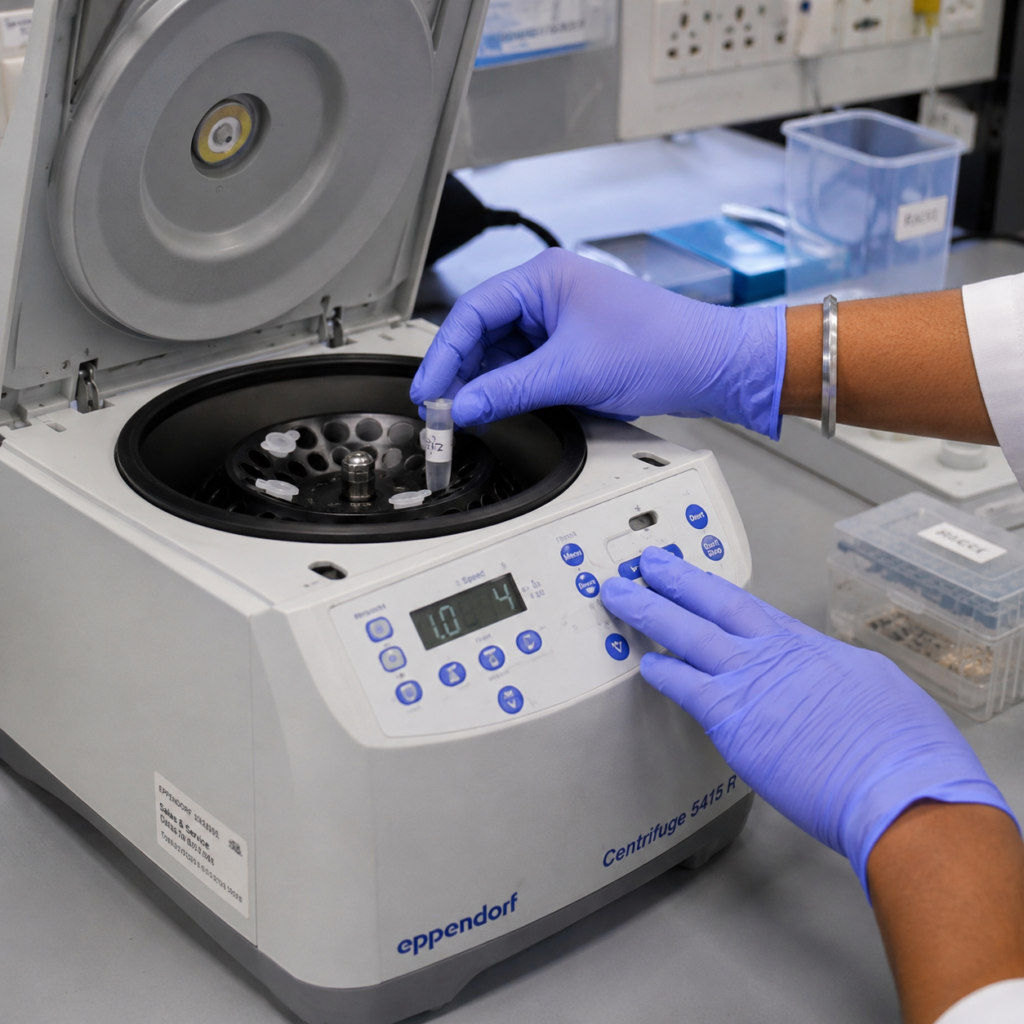
Bangalore is the leading city in India for purchasing laboratory equipment as it is home to hundreds of research facilities, pharmaceutical companies, diagnostic centers and biotech companies throughout the country. The lab supply company LabXcite, located in Bangalore, is a full-service supplier providing different types of laboratory equipment, including laboratory instruments, analytical instruments, laboratory supplies, and safety equipment. LabXcite has a broad selection of equipment available, from centrifuges to spectrophotometers and PCR systems to incubators for cell cultures, and sells both new and certified refurbished types of each category of equipment.
If you are looking for assistance in setting up your laboratory or in upgrading your laboratory equipment, or if you need a reliable partner for laboratory supplies (consumables), LabXcite’s staff will assist you when you visit Labxcite Products.
Frequently Asked Questions
Q: What are the essential laboratory equipment every research lab needs?
A: Every research lab needs at minimum a centrifuge, spectrophotometer, autoclave, micropipette set, and appropriate safety PPE. The exact list depends on your research type — molecular biology labs additionally need PCR machines and gel electrophoresis systems. LabXcite supplies all these instruments to research labs, pharmaceutical companies, and diagnostic centres across Bangalore and India.
Conclusion
The selection and procurement of laboratory equipment can possibly be the most important decisions made by lab managers and researchers. Whether new laboratories are to be equipped, or existing laboratories are to be upgraded, the principles remain the same: 1) match the equipment to the process, 2) determine the total life cycle cost, 3) consider who can provide service post-purchase. LabXcite, laboratory equipment supplier, in Bangalore (Karnataka), India, is here to assist you at all stages of the procurement process from selection assistance to installation, calibration, and ongoing service.
FAQ
Q1: What are the essential laboratory equipment every research lab needs?
Each laboratory will require at least a centrifuge, a spectrophotometer, an autoclave, at least one set of micropipettes, and all the required safety gear. The specific types of equipment necessary will vary from lab to lab based on the type of research being conducted (e.g., molecular biology labs will also need polyclonal antibody production equipment). LabXcite supplies laboratories, pharmaceutical manufacturers, and diagnostic facilities with all the necessary equipment across India and primarily Bangalore.
Q2: How do you maintain laboratory equipment properly?
A: Laboratory equipment should be managed through scheduled calibration, preventative maintenance programs, and manufacturer SOP compliance for all laboratory instruments. Preventative maintenance will reduce the amount of down time and increase the accuracy of results. NABL accredited laboratories in India are required by ISO IEC 17025 to document all maintenance on laboratory equipment throughout their operation.
Q3: What is the most common laboratory equipment used in Indian research labs?
A: In India, centrifuges, UV-Vis spectrophotometers, microscopes, and autoclaves are the most common instruments for both research and diagnostic laboratories. Micropipettes and glassware (e.g., beakers, Erlenmeyer flasks, and test tubes) are widely utilized on a daily basis across virtually all types of laboratories, ranging from university facilities to pharmaceutical QC facilities, and everywhere in between.
Q4: Where can I buy quality laboratory equipment in Bangalore?
A: LabXcite is a laboratory equipment supplier, located in Bangalore (Karnataka, India), providing a comprehensive range of research instruments, analytical tools, consumables and safety equipment. Universities, pharmaceutical companies, diagnostic laboratories, biotech start-ups and R&D centres throughout India can procure from LabXcite’s full range of products via labxcite.com.
Q5: How do I choose the right laboratory equipment for my research?
A: The first step to selecting laboratory equipment is to set up your research objectives and define the testing/measurement needs you will use the equipment for. Next, you need to identify instruments that will satisfy those needs. In doing so consider the following: your available budget, the potential laboratory space available to accommodate the equipment, and any applicable regulations (NABL, GMP, ISO 17025, etc.). Working with a specialized supplier like LabXcite from Bangalore, will ensure that you work with someone who is knowledgeable about your type of laboratory equipment and able to provide guidance accordingly.