
Introduction:
The techniques utilized for tissue dissociation methods transform solid tissue into single cells that can be scrutinized individually by researchers. Tissue dissociation techniques are used prior to procedures like flow cytometry, counting cells, and sequencing genes. The ideal tissue dissociation technique ensures that the charge of cells remains unchanged and is of great importance for numerous cancer research and/or genomics labs in Bangalore and Karnataka.
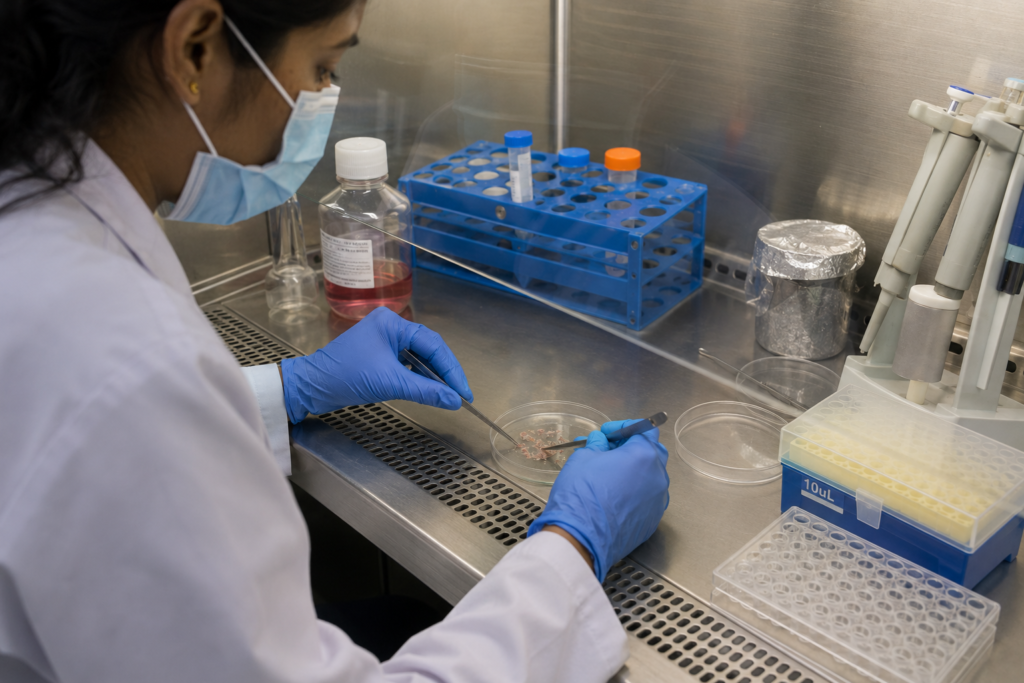
What Is Tissue Dissociation?
The objective of the tissue dissociation approach is to make single free cells out of the aggregate bone tissue. Researchers use tissue dissociation techniques before cells are grown, sorted, or analyzed for their genetics. Each time, the goal remains the same: maximize the number of cells that remain alive and healthy, as any cell damage causes poor results of experiments later on.
Enzymatic Tissue Dissociation Methods
Enzymatic tissue dissociation techniques are chosen considering the rigidity and toughness of the material that is being used.
| Enzyme | What It Does | Best For |
| Collagenase | Breaks down connective tissue | Tumour, organ tissue |
| Trypsin | General protein breakdown | Softer tissue types |
| Dispase | Gentle, keeps sheets intact | Skin, epithelial tissue |
| DNase I | Stops clumping from dead cells | Used alongside other enzymes |
Mechanical Tissue Dissociation Methods
In contrast to tissue dissociation techniques that rely on chemicals, the mechanical tissue dissociation technique is based on the physical process. Techniques that fall into this category are tissue mincing with scalpels, repeated pipetting, and the use of automated devices designed to dissociate tissues. Mechanical methods work fast and are gentle on cell surface markers, but they may not fully break apart tough, fibrous tissue on their own. Many labs combine mechanical and enzymatic tissue dissociation methods together for the best results on difficult samples like tumours.
Enzymatic vs Mechanical – How to Choose
Soft tissue often needs only mechanical force. Fibrous or dense tissue, like tumours, usually needs enzymes added too. If your work needs intact surface markers, go gentler. If you need high cell numbers fast, a combined approach usually works best. Deciding between these tissue dissociation methods early on saves time and protects your sample quality.
Basic Single-Cell Isolation Steps
This step-by-step approach is one of the most common combined tissue dissociation methods used in genomics and cell therapy labs today.
- Collect fresh tissue and keep it cold.
- Chop the tissue into very small pieces.
- Put enzyme solution into each of the small pieces.
- Start incubation at a temperature of 37 degrees Celsius with a slight movement of the small pieces.
- Add serum for stopping action of the enzyme.
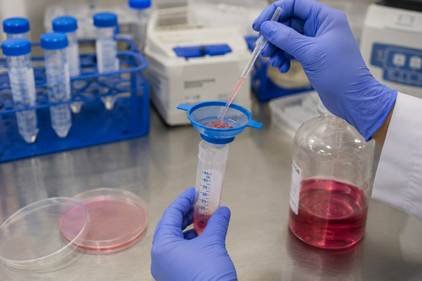
- Filter tissue fragments through cell strainer.
- Use centrifugal force to separate the pellet.
- Perform a viability stain test in order to check the quality of cells.
FREQUENTLY ASKED QUESTIONS
Q: What are tissue dissociation methods in cell biology?
A: Tissue dissociation is a laboratory technique that breaks down solid tissue into single cells or clusters of cells with the help of enzymes, mechanical forces, or a combination of both. The method employed depends on the type of tissue and the application it is being put to next.
Q: What is the difference between enzymatic and mechanical tissue dissociation?
A: Enzymatic methods use enzymes such as collagenase to digest the tissue by chemical means, resulting in higher yield of difficult tissue. Mechanical methods use physical processes such as mincing or pipetting which although are less damaging to the tissue but are effective only on soft tissue.
Q: How do I isolate single cells from a tumour sample?
A: To perform this procedure, start by slicing the tissue into minute pieces, add the enzyme solution and incubate the preparation at 37 degrees Celsius, adding serum to stop the process when done. Keep the whole process as quick and cold as possible to protect cell health.
Q: What is the best enzyme for tissue dissociation?
A: Collagenase is the most common choice for solid tissue with connective fibres, since it targets those fibres without harming cells too much. Dispase suits better for working delicate tissue sheets while DNase is normally added for aggregation of other cells.
Conclusion
Application of the correct tissue dissociation methods guarantees the safety of the cells and reliability of the results obtained in the studies that follow. Regardless of the way of dissociation (enzymatic, mechanical or both), application of the right method helps save valuable time and resources and enhances efficiency of research activity. Need any dissociation enzymes or equipment for performing experiments related to single cells? LabXcite, is a laboratory equipment supplier operating in Bangalore, India, and is always ready to offer everything you need for performing tissue dissociation.