
Introduction:
Borosilicate glass laboratory equipment is the preferred type of glass for lab glassware. It can withstand heat and chemicals better than regular glass. Buying genuine borosilicate glass in your lab equipment will prevent the damage to your samples and will ensure the safety of your labware that can be used over and over again.
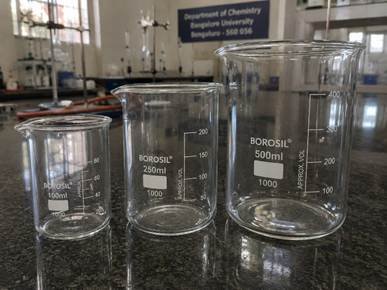
What Is Borosilicate Glass?
Borosilicate glass laboratory items are made mostly of silica with added boron trioxide, giving the glass a much lower expansion rate when heated. This is why Pyrex, a well-known brand, became another name people use for borosilicate glass laboratory products in general conversation.
Key Properties of Borosilicate Glass
This table shows exactly why borosilicate glass laboratory equipment is chosen over cheaper alternatives for daily scientific work.
| Property | Borosilicate | Soda-Lime Glass |
| Thermal shock resistance | High | Low |
| Chemical resistance | Strong | Weaker |
| Autoclave safe | Yes, repeatedly | Not recommended |
| Optical clarity | Excellent | Good |
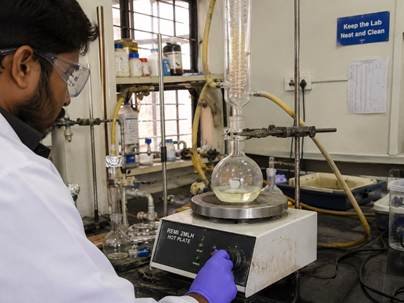
Laboratory Applications of Borosilicate Glass
Any lab that heats samples, mixes chemicals, or autoclaves glassware regularly should rely on borosilicate glass laboratory items for safety and consistency. Read our full lab glassware guide for more detail on choosing the right glassware for each task.
- Beakers and Erlenmeyer flasks for general use.
- Round-bottomed flasks for carrying out reactions under heat.
- Glass volumetric vessels for precise measurement.
- Test tubes and coolers.
- Watch glasses for drying samples.
FREQUENTLY ASKED QUESTIONS
Q: What function does borosilicate glass perform in the lab?
A: Borosilicate glass laboratory products are meant to be used with beakers, flasks, test tubes, and coolers, among other glassware that is used under heating or subjected to strong chemicals without shattering or degradation.
Q: What makes borosilicate glass superior when compared to common glass?
A: Borosilicate glass exhibits much lower levels of expansion and contraction than ordinary soda-lime glass with sudden changes of heat, meaning it is more resistant to thermal shock. In addition, borosilicate glass is also much less affected by acids, bases, and organic solvents when the time passes.
Q: Can you autoclave borosilicate glass?
A: Yes. Borosilicate glassware has the ability to withstand repeated autoclaving at 121 or 134 degrees Celsius. Therefore, it is one of the safest options available when it comes to glassware that needs regular sterilization.
Q: Is Pyrex glass the same as borosilicate glass?
A: Originally, Pyrex was a brand for borosilicate glass, which is why people tend to use both terms interchangeably in laboratory practices. However, some modern consumer Pyrex products use different glass, so always check for a clear borosilicate label when buying lab-grade glassware.
Conclusion
Borosilicate glass laboratory equipment remains the trusted standard for any lab that heats, mixes, or sterilises samples on a regular basis. Choosing genuine borosilicate glass protects your results and your budget in the long run. Searching for trustworthy borosilicate glass products for your laboratory? LabXcite, laboratory equipment supplier in Bangalore, India, stocks the only genuine borosilicate glass items resource – check out our selection now!