
Introduction:
The laboratory pipettes use are high precision instruments that can move very small quantities of liquids from one place to another. As a matter of fact, it is imperative to use the right types of laboratory pipetting devices, maintain them in a calibrated state, and use top-notch techniques for pipetting so that correct laboratory data can be obtained.
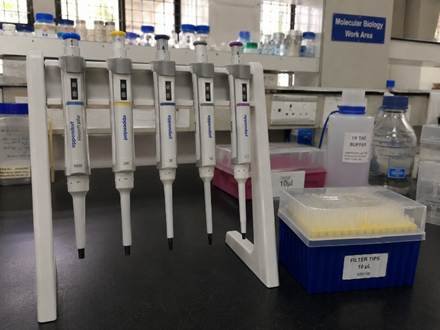
What Is a Laboratory Pipette?
A pipette is a hand-held or electronic device that delivers a small volume of liquid with high precision. Laboratory pipettes range from as little as 0.2 microlitres up to 10 millilitres, covering nearly every liquid-handling task in molecular biology, chemistry, and clinical testing.
Types of Laboratory Pipettes
Choosing the right type from this list of laboratory pipettes depends mostly on your sample volume and how often you repeat the same task each day.
| Pipette Type | Volume Range | Key Application |
| Single-channel | 0.2-1,000 µL | General molecular biology |
| Multi-channel | 0.5-300 µL | 96-well plate work, ELISA, PCR setup |
| Electronic | Varies | Repetitive dispensing, less strain |
| Positive displacement | 1-1,000 µL | Viscous or volatile liquids |
| Serological | 1-50 mL | Cell culture media transfer |
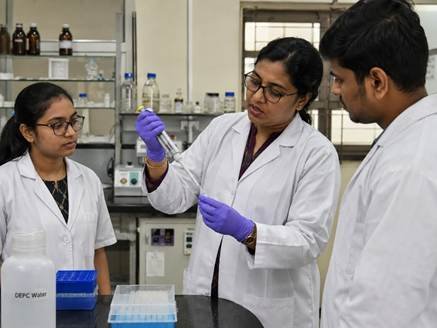
Correct Pipetting Technique
Following these steps every time with your laboratory pipettes keeps results consistent between different technicians and different days.
- Pre-wet the tip before your real sample draw.
- Hold laboratory pipettes at a 45-degree angle when aspirating.
- Press the plunger to the first stop before immersing the tip in liquid.
- Draw the liquid in slowly and steadily.
- Clean the outside of the tip, not the opening.
- Deliver the liquid to the first stop and then push the plunger down completely to expel the last drop.
- Use a new tip for each new liquid.
- Dispose of used tips properly after every liquid transfer.
Electronic vs Manual Laboratory Pipettes
| Feature | Manual | Electronic |
| Plunger effort | By hand each time | Motorised, consistent |
| Repetitive strain risk | Higher | Lower |
| Programmable volumes | No | Yes |
| Best for | Occasional use | High daily volumes |
Pipette Calibration Basics
According to ISO 8655 specifications, pipettes used in laboratories should be calibrated every three to six months and at least once annually in the case of light usage. Calibration consists of dispensing water and weighing it on a precision balance and comparing it with the expected value. In addition, NABL-accredited laboratories must keep signed calibration certificates for all pipettes regularly used in their operations.
FREQUENTLY ASKED QUESTIONS
Q: What are the types of laboratory pipettes and their uses?
A: The main types of pipettes are identified such as the single-channel pipettes which are used in general applications, multi-channel pipettes which are designed for plate applications like ELISA and PCR, electronic pipettes which are used for repetitive applications, positive displacement pipettes for viscous solutions, and serological pipettes which are suitable for bigger volumes such as media preparations.
Q: How often should laboratory pipettes be calibrated?
A: In accordance with the ISO 8655 requirements, laboratory pipettes meant for critical applications need to be calibrated every three to six months, while instance of calibration at least once a year will suffice for lighter applications. Calibration is carried out using a gravimetric method by employing a precision balance.
Q: How do I pipette accurately with laboratory pipettes?
A: Come to have the tip moist first, put the pipette at an angle of 45 degrees, push down on the plunger up to the first stop before taking the liquid, withdraw the liquid slowly, and let it out against the side of the container before pressing again to squeeze out the last remaining drop.
Q: What is the difference between electronic and manual laboratory pipettes?
A: Manual pipettes require human pressure at every cycle of their operation. This will lead to possible fatigue and strain on the hands as manual pipettes require human force in all stages of their operation. Electric pipettes dispense liquids using an engine and require pre-programming.
Conclusion
Correct laboratory pipetting devices must be calibrated and used in a proper manner in order to ensure that the laboratory pipetting process is accurate. Getting these basics right protects every experiment that depends on precise volumes. Need new pipettes or calibration support for your lab? LabXcite, laboratory equipment supplier in Bangalore, India, supplies a full range of laboratory pipettes – explore our range today.